I was scrolling through a photography group on Facebook a few years ago when I saw something that made my stomach drop.
Another photographer had posted a video from a newborn session. The baby was in one of those elaborate poses that looks absolutely adorable—the kind you see all over Pinterest and Instagram. But the baby was posed, head on hands, and left there to balance while the photographer stepped back to “catch” the shot. No spotter visible anywhere in the frame.
The comments were full of praise. "Gorgeous!" "Goals!" "I need to try this!"
All I could think was how dangerous that setup was.
That moment changed everything for me. I had just completed my newborn safety certification, and it opened my eyes to risks I didn't even know existed before that training. Just because someone has a nice camera and calls themselves a newborn photographer doesn't mean they've invested in proper safety training.
Here's what really keeps me up at night: parents have no way of knowing what they don't know. You're trusting us with your most precious, fragile little human, and some photographers are winging it based on what looks good rather than what's actually safe.
The Truth About That Unregulated Industry
There are no set qualifications for newborn photographers at a state or federal level in the US.
Read that again.
Anyone can be a newborn photographer without first aid or safety training required. The industry is currently unregulated worldwide, meaning certification serves as the only real assurance to parents that a photographer has undertaken essential training.
When I started my business nine years ago in a spare bedroom with a beginner camera, I didn't know what I didn't know. I slowly invested in equipment and education, eventually building a fully functioning studio in my basement where I now book 250+ sessions each year. But the game-changer wasn't the equipment—it was the safety training.
What Safety Training Actually Taught Me
The biggest thing I learned was about proper hand placement and support. You need to fully understand the biomechanics of a newborn's body. Their neck muscles aren't developed enough to support their head until they're around six months old. Their airways can be compromised in certain positions even if they look peaceful.
The training taught me that you always need to support the head and neck. There are specific angles where a baby's chin should never touch their chest because it can restrict breathing. This is called positional asphyxia, and it's terrifying because a baby can look completely peaceful and comfortable while their airway is actually being restricted.
I also learned to recognize the subtle signs of distress in newborns—things like color changes, breathing patterns, or tension in their little bodies that parents might not even notice.
Now I'm hyper-aware during every session. I never force a pose. If a baby isn't naturally settling into a position, I don't push it.
It's not just about getting the shot anymore—it's about making sure that baby is completely safe and comfortable first, and then we get the shot.
The Instagram Lie You Need to Know About
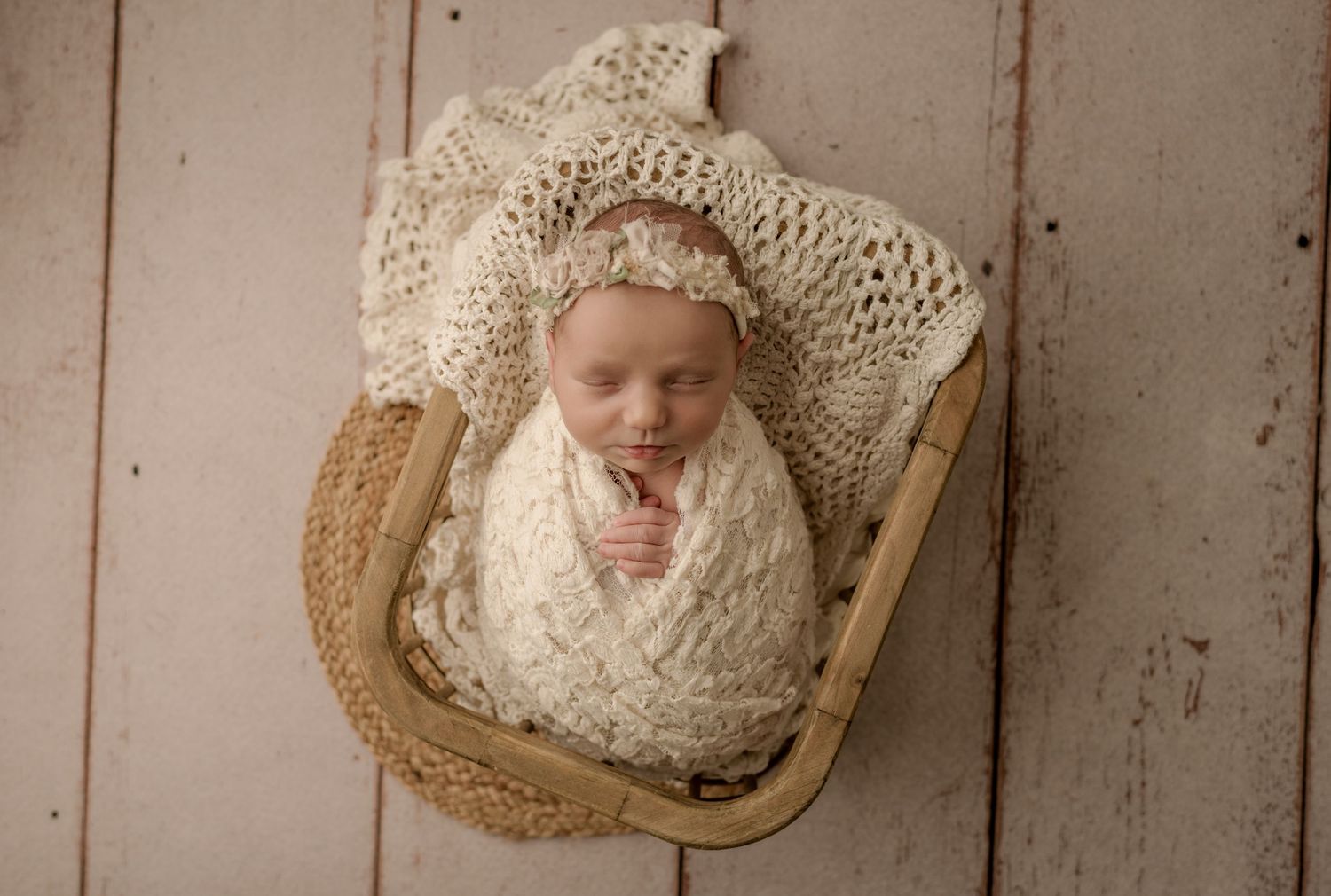
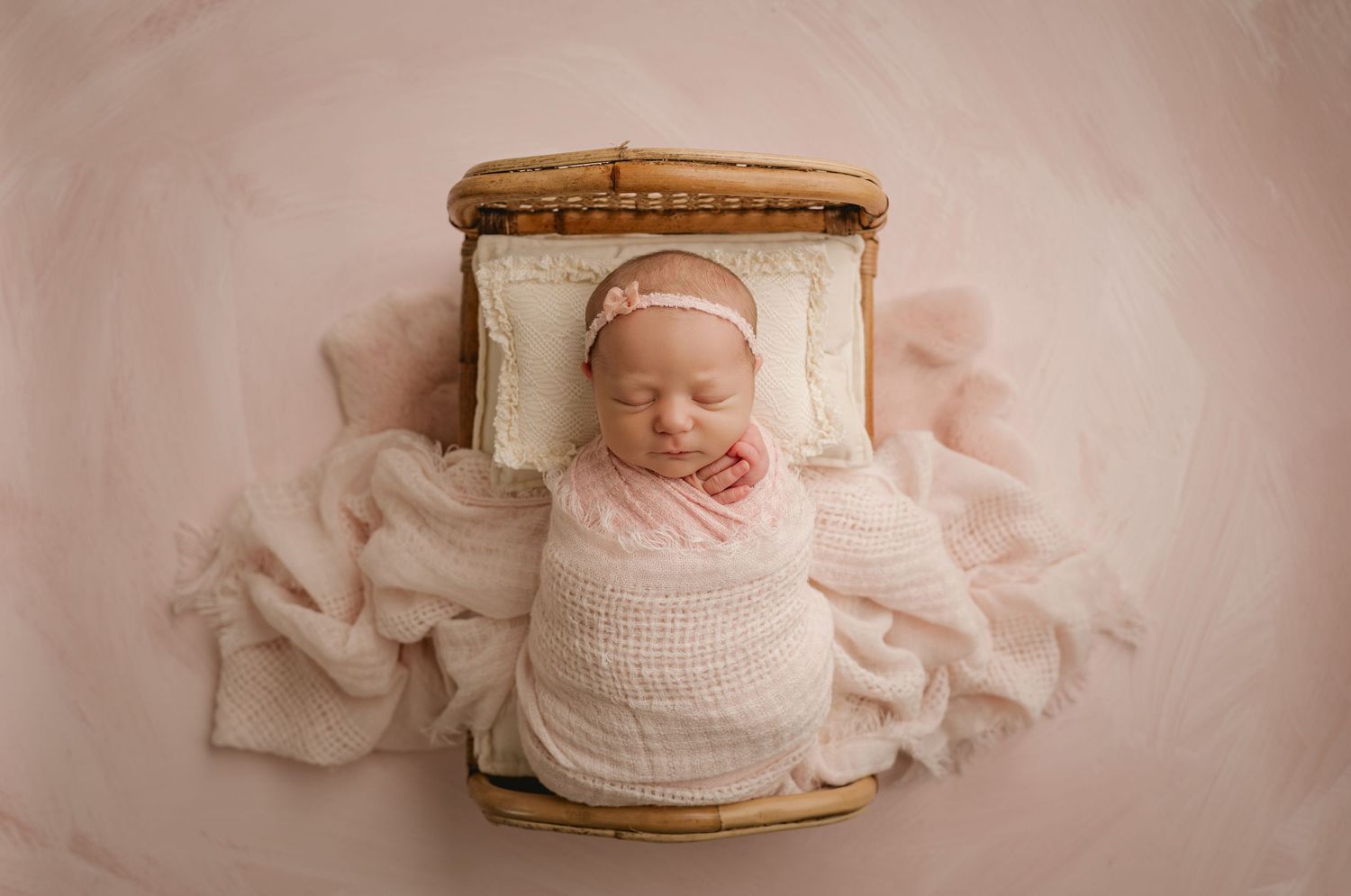
Those poses where a baby looks like they're holding their head up with their little hands under their chin? The ones where they're suspended in some dreamy way in a hanging basket?
Those should always be composites.
Most parents have no idea. Composite editing means multiple images are blended together in post-session work.What actually happens is I take one photo with a parent's hands fully supporting the baby in that position, then another shot with their hands on a different side, and then I blend them together digitally to remove the parent's hands.
The baby is never actually supporting themselves or in any precarious position without full adult support.
Same thing with those hanging basket shots or babies posed on their tummies with their heads up—there's always someone right there with hands on that baby. Those hands get edited out later.
The problem? Photographers who don't have proper training might try to actually pose a baby that way without support. Or they might not know how to do composites safely, so they're putting babies at risk to get a shot that looks like what they see online.
Parents see these images and think that's just what newborns do naturally. The reality is there's a lot of behind-the-scenes safety work and digital editing that makes those images possible without putting the baby in danger.
The Questions You Should Be Asking
When you're vetting photographers, you're looking at gorgeous portfolios without realizing what you're actually seeing. Here's what you need to ask:
"What newborn safety training or certification have you completed?"
A trained photographer will tell you specifically. I completed my certification through a recognized newborn safety workshop that covered posing safety, recognizing distress signals, and proper handling techniques.
If a photographer gets vague or says something like "Oh, I've been doing this for years" or "I'm really careful," that's a red flag. Experience doesn't equal safety training.
"Do you use composite images, and can you explain how that works?"
A safety-conscious photographer will be upfront about using composites for certain poses and will explain that the baby is always fully supported. If someone acts like they don't know what you're talking about or says their babies just "naturally" do those poses, that's concerning.
"What's your studio temperature during newborn sessions?"
This might seem random, but trained photographers know that newborns need to be kept warm—usually between 75-80 degrees. Newborns lose body heat four times faster than adults. If a photographer looks confused by that question, they probably haven't had proper training.
"Can you walk me through your safety protocols?"
A trained photographer will light up talking about this because we're proud of our safety measures. I'll tell parents about my hand positioning, how I never leave a baby unattended on a prop, how I watch for breathing and color changes.
If a photographer can't articulate their safety approach, that tells you everything you need to know.
What's Happening During Your Session That You Don't See
There's so much happening that parents don't notice because when it's done right, it looks effortless.
Before your family even arrives, I've already heated my studio to that 75-80 degree range. Parents walk in and immediately comment on how warm it is, but that's intentional—newborns are used to that cozy womb temperature, and keeping them warm helps them stay sleepy and relaxed.
During the session, I'm constantly doing these little safety checks that probably look like I'm just adjusting the baby, but I'm actually assessing. Every time I move a baby into a new position, my hand is on them—I'm making sure their head and neck are properly supported, checking that their airway is open.
I never, ever walk away from a baby who's on an elevated surface or in a prop. Even if I'm just stepping back to grab my camera, my hand stays on them or there's a spotter present.
I move slowly and deliberately because sudden movements can startle a newborn. I'm watching the baby's face constantly—are their eyes moving under their eyelids in that peaceful REM sleep, or are they starting to flutter open? Are their little lips staying relaxed, or are they starting to purse, which means they're getting hungry?
I talk to the baby the entire time, even though they're sleeping. "Okay, sweet girl, I'm just going to move your arm here" in this calm, quiet voice. It keeps me mindful of every touch and movement, and it also reassures parents that I'm treating their baby gently and with intention.
Here's something parents definitely don't realize—I'm taking way more photos than you think. For every final pose, I might take 10-15 shots because I'm waiting for that perfect moment when the baby's breathing is calm, their position is safe, and the lighting is right.
I'd rather take extra time and extra shots than rush and compromise safety.
The Science You Need to Understand
One thing that really surprised me in my safety training was learning about positional asphyxia. A baby could be in a position where they look completely peaceful and comfortable, but their airway is actually being restricted.
It's not always obvious like you'd think.
When a baby's chin is tucked too close to their chest, it can close off their airway even though they might look like they're just sleeping in a curled-up position. That "froggy pose" that's so popular—where the baby's chin is resting on their hands—can be really dangerous if it's not done as a composite, because their heads can fall over.
I also learned about their spine and how fragile it is. At birth, each vertebra has three main bony components surrounded by cartilage, with the arch of each vertebra not fully forming until 3-5 years of age. Newborns don't have the muscle development to support certain positions, and their spine is still mostly cartilage.
Hanging them in certain ways or having them in poses where their back is arched too much can actually cause damage. Their little bodies are designed to be in that curled, fetal position, and when we extend them too much or put them in positions that look "cute" but aren't natural for their development stage, we're putting stress on their bodies.
Another big one was understanding their circulation and how quickly they can get cold, but also how overheating is dangerous too. I learned the signs of a baby getting too hot—like their skin getting blotchy or them becoming lethargic in a different way than sleepy.
It's this delicate balance that you have to maintain throughout the entire session.
Your Safety Checklist Before Booking
Here's what you need to do before you book a newborn photographer:
Research their credentials:
- Ask specifically about newborn safety certification
- Request details about their training program
- Look for photographers who continue their education regularly
Review their portfolio critically:
- Look for impossible poses that suggest either composites or unsafe practices
- Ask how specific poses were achieved
- Check if they're transparent about their editing process
Discuss safety protocols:
- Ask about studio temperature control
- Inquire about spotter presence during sessions
- Request information about prop safety standards
- Ask how they handle babies who aren't cooperating with poses
Trust your instincts:
- If a photographer seems defensive about safety questions, that's a red flag
- If they can't articulate their safety approach, walk away
- If something feels off during the session, speak up
⚠️ Important: Just under 30,000 babies are born with some form of birth injury every year in the US—that's a baby every 20 minutes. Your newborn is already vulnerable. The photographer you choose should be adding layers of protection, not risk.
What This Means for Your Family
My core mission has always been to provide families with images of milestones and memories that will last forever and be passed down for generations. But those memories are only meaningful if your baby is safe while we're creating them.
I've spent over 10 years photographing families, children, and newborns. I've invested time and money to continue my education so I can keep up with new skills, trends, and changing technology. But the most important investment I've made is in safety training.
When parents book with me, they're not just getting high-quality images at an affordable price. They're getting a photographer who understands child development, who recognizes distress signals, who never compromises safety for a shot.
You're trusting someone with your most precious, fragile little human. Make sure that trust is earned through proper training, not just a nice portfolio.
Ask the hard questions. Demand specific answers. Your baby's safety depends on it.
Because at the end of the day, the best photo session is the one where your baby goes home exactly as they arrived—safe, healthy, and loved.