My first thought when I heard about AI photography that, statistically, fools 92% of people was…YIKES. And after 10 years building my photography business, the idea of computers replacing what I do felt like a real threat.
But then I started thinking more realistically.
Sure, AI can probably create a decent business headshot. But can it capture the way a two-year-old's eyes light up when they see bubbles? Or that perfect moment when a newborn finally settles into their parent's arms?
I decided to find out. I experimented with several AI photography tools, mostly out of curiosity and because staying current with technology matters in this industry.
What I Discovered About AI Photography
The results were interesting. AI can definitely create clean, technically sound photos. The lighting follows basic rules, composition looks professional, and for a LinkedIn headshot, they'd probably work fine.
But everything felt sterile.
The expressions were too perfect, almost like stock photo smiles. When I photograph business owners for headshots, I spend time getting to know them first. I learn about their business, their personality, and I capture expressions that actually reflect who they are.
One client told me that she looked approachable and genuine in her headshots, exactly how she is in person, and that’s why she loves them!
AI tools also struggled with complexity. I tried generating family scenarios, and they couldn't handle real family dynamics. Kids don't pose perfectly, babies don't smile on command, and grandparents have wrinkles that tell their story.
AI smooths all of that out, making everyone look like a generic version of themselves.
The Moments AI Cannot Create
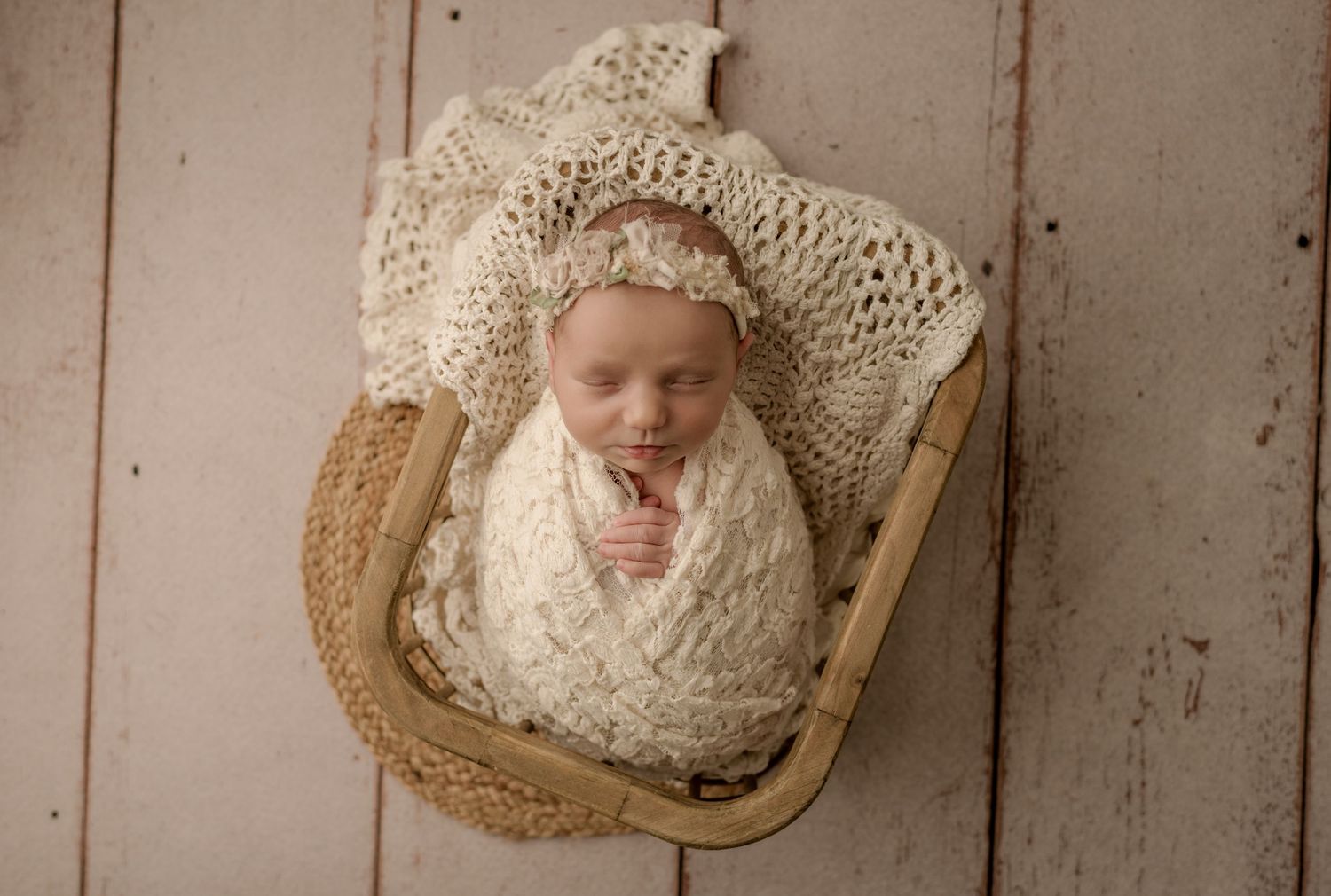
I had a newborn session last month that is a perfect example of this. The baby was 10 days old and wouldn't settle. The parents were stressed, which made the baby more upset. I could see the mom starting to tear up because she wanted these perfect newborn photos.
So I stopped everything and just sat with them.
I had the mom hold the baby skin-to-skin while I talked to their older daughter about her new baby brother.
After 20 minutes, the baby finally relaxed and the mom looked down at her son with this expression of pure love and relief.
I captured that exact moment. Not just the baby, but the whole family experiencing this wave of peace and connection together.
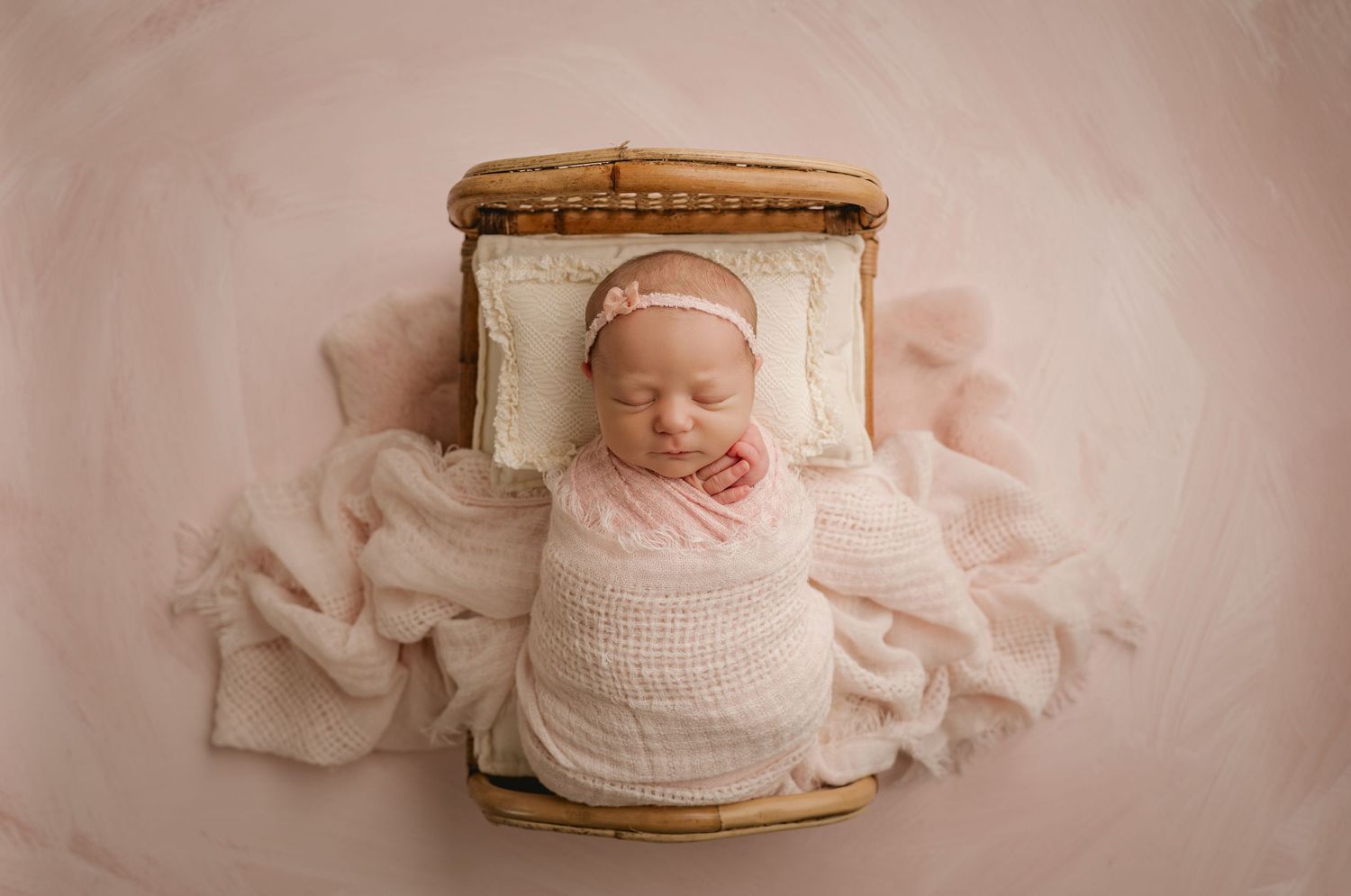
AI might generate a technically perfect image of a sleeping baby, but it can't create that authentic moment of a family falling in love with their newest member all over again.
Why Imperfection Became My Advantage
Some of my most beloved photos by families capture perfectly imperfect moments. I have one family I've photographed for six years, and there's this photo from when their youngest was 18 months old. She had a complete meltdown during our session, but her big sister immediately came over to comfort her.
That photo hangs in their hallway. Every time I see them, the mom tells me it's still her favorite because it captures exactly who her daughters are.
Parents apologize when their toddler won't cooperate or when grandpa's hair is sticking up. But those are often the images they order the largest prints of. There's one grandpa who has fallen asleep during both family sessions I’ve done with them. The family treasures those photos because that's exactly who he is.
AI would "fix" all these moments. Smooth the tears, perfect the hair, make everyone smile. But in doing that, it would erase what makes these families unique.
How AI Became My Marketing Tool
The funny thing is, AI has actually helped me appreciate our value as photographers. Before, I might have focused on technical skills or equipment. Now I'm much clearer about capturing the human connection and irreplaceable experiences.
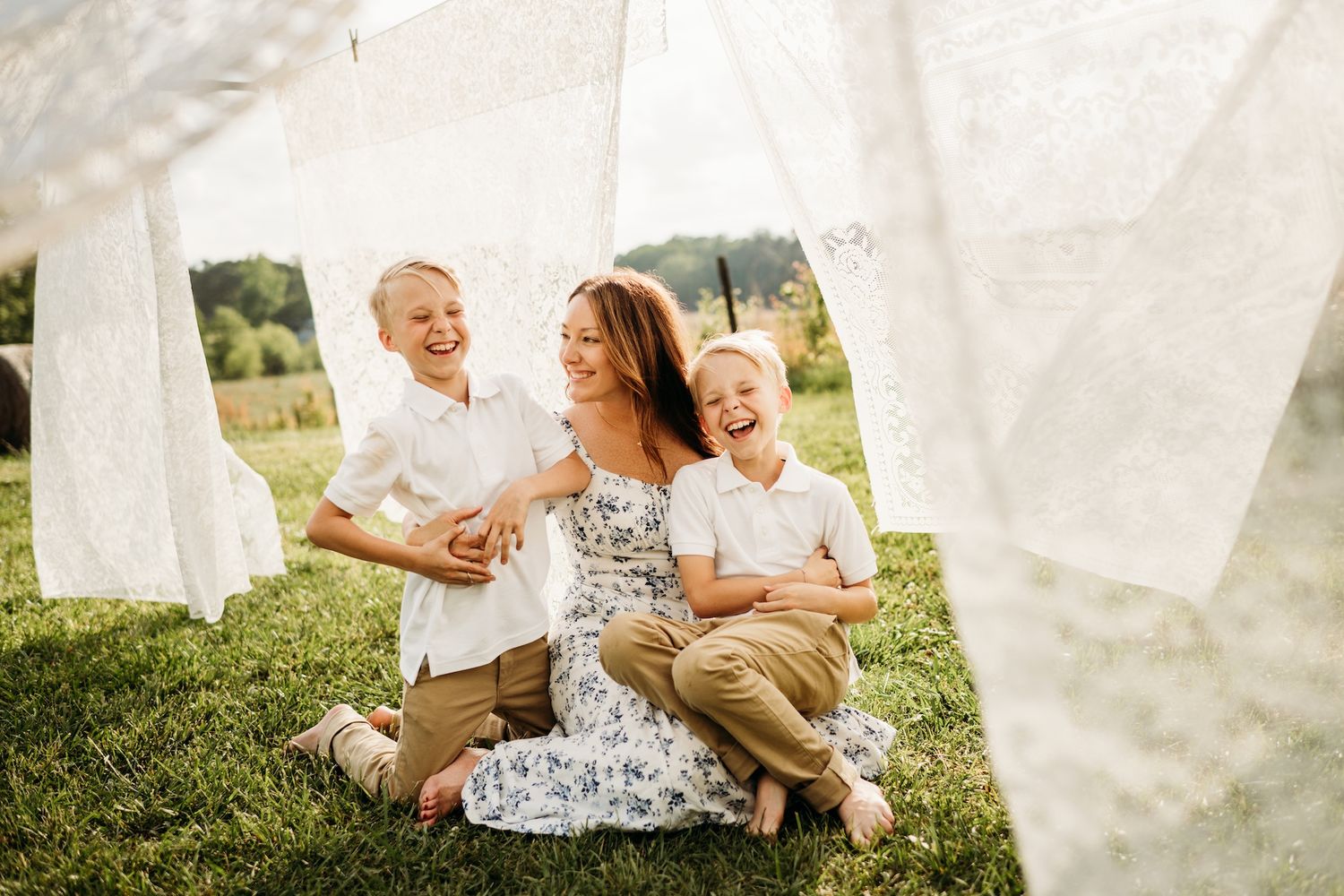
I'm not just taking your photos, I'm helping to write your family's story. I tell potential clients about families I've photographed for eight or nine years, how I know exactly how to make their shy daughter smile or work around their son's sensory issues.
That relationship and institutional knowledge of their family? AI will never have that.
I think we're seeing a real separation in the market. AI will handle commodity photography like basic headshots or stock images. But that makes authentic, relationship-based photography even more valuable by comparison.
I had a mom recently tell me she looked into AI family portraits because they were cheaper, but then realized she wanted her kids to have the experience of a real photo session. She wanted them to remember the day we spent together, not just have a perfect image generated on a computer.
The Future Belongs to Connection
AI is weeding out photographers who saw this as just a technical skill rather than an art of human connection. Photographers who lean into relationships, who create experiences, who understand they're documenting love stories? We're going to thrive.
Because AI is making it crystal clear what the difference is between a photograph and a memory.
When I look at that photo of the crying baby with her protective sister, I know exactly what that family would tell other parents considering AI alternatives. They'd say you can't put a price on having your children's authentic personalities captured forever.
AI might give you “picture perfect”, but it can't give you a piece of your family's story.
What I do isn't really about photography at all. It's about relationships and preserving love in its most genuine form. AI just became the best way to prove that point.